A Burns Supper
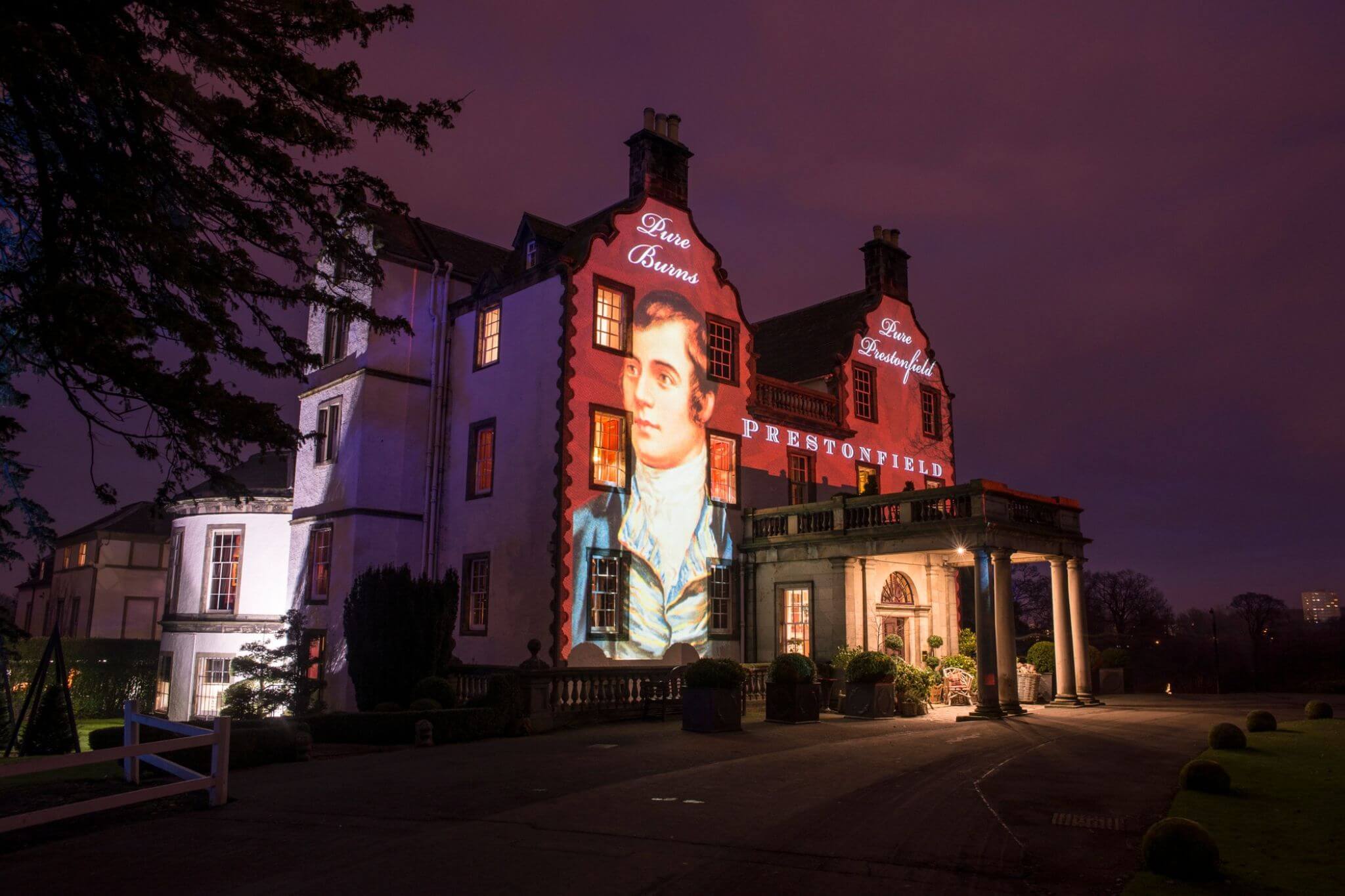
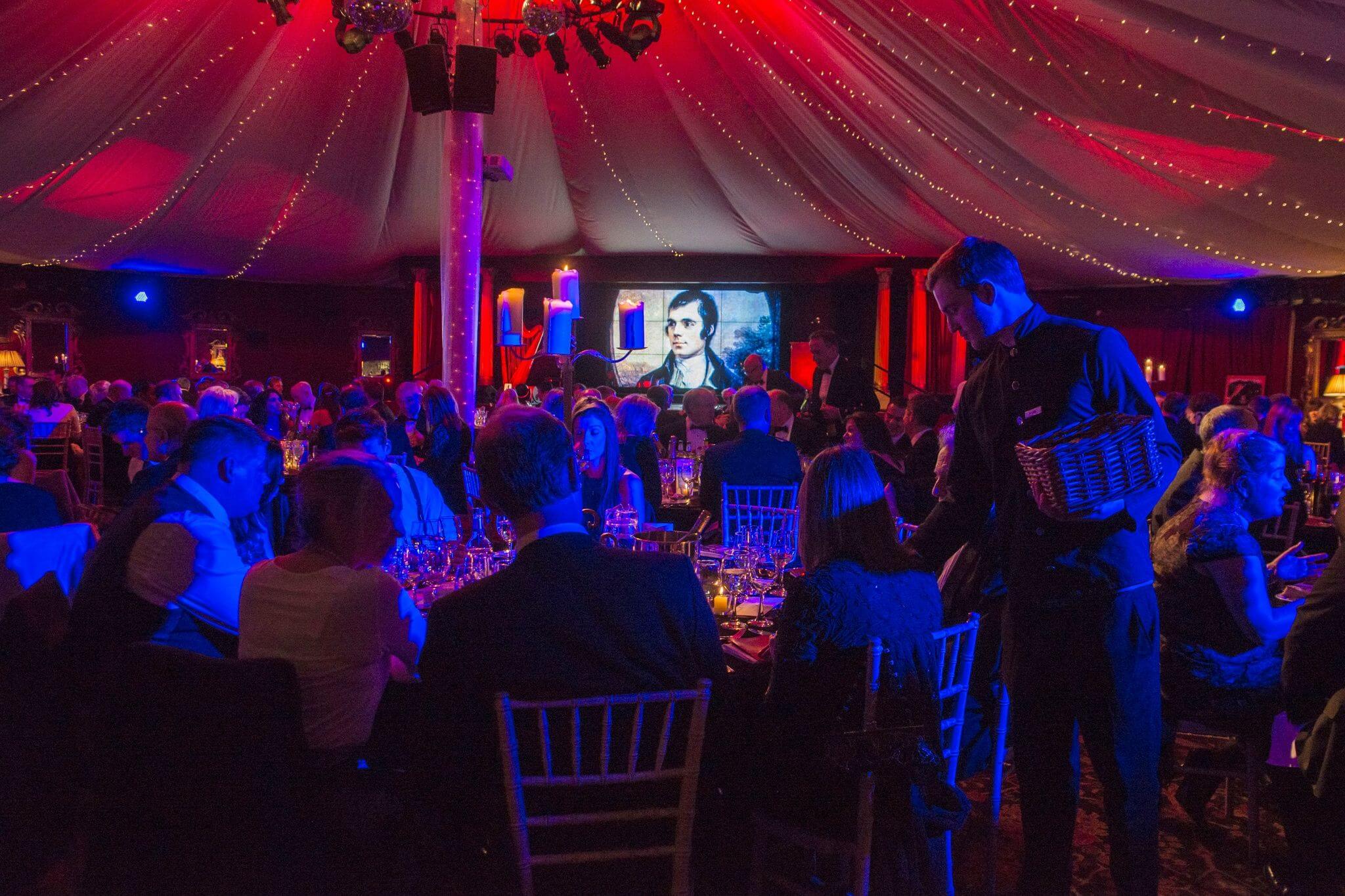
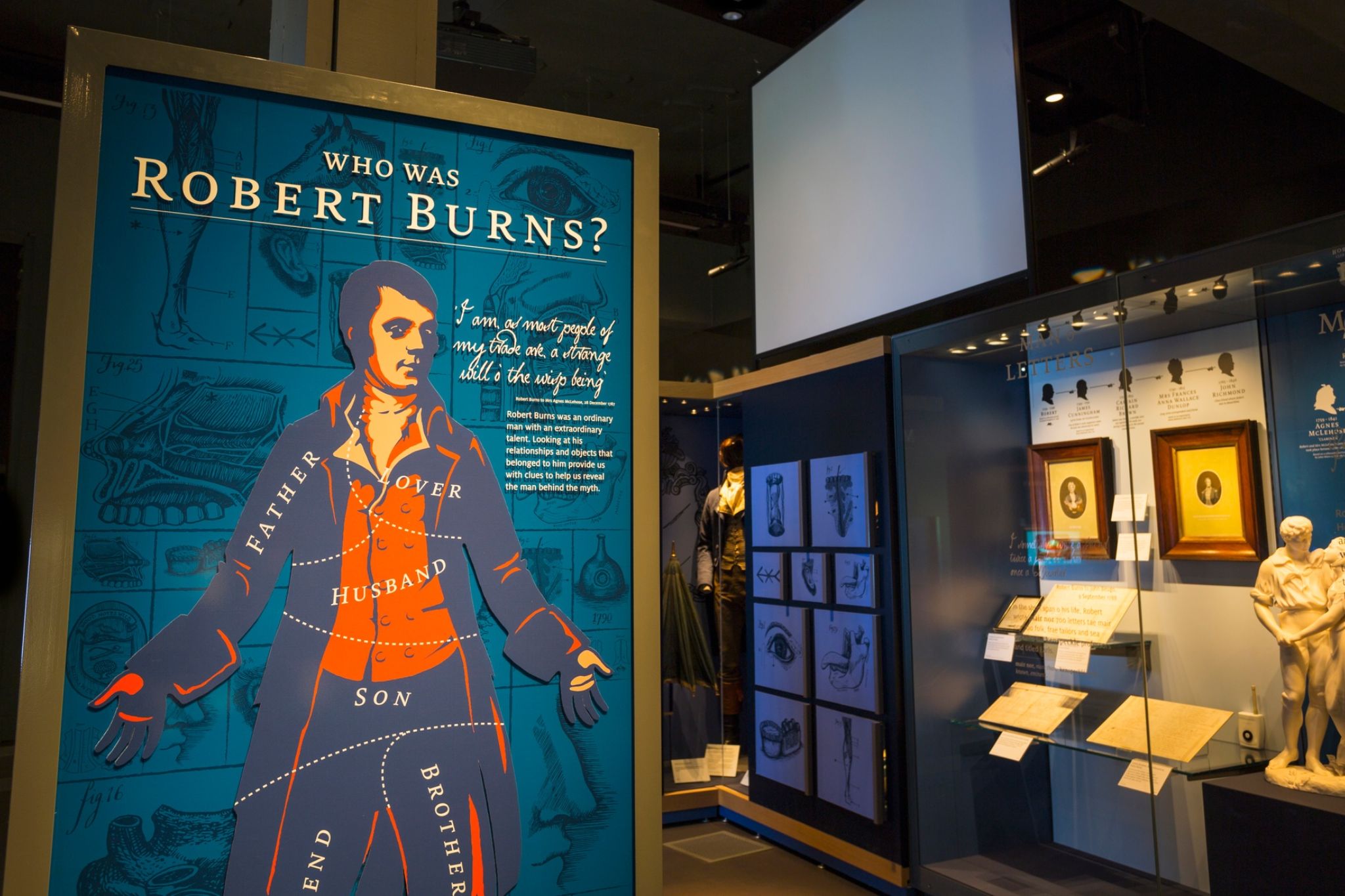
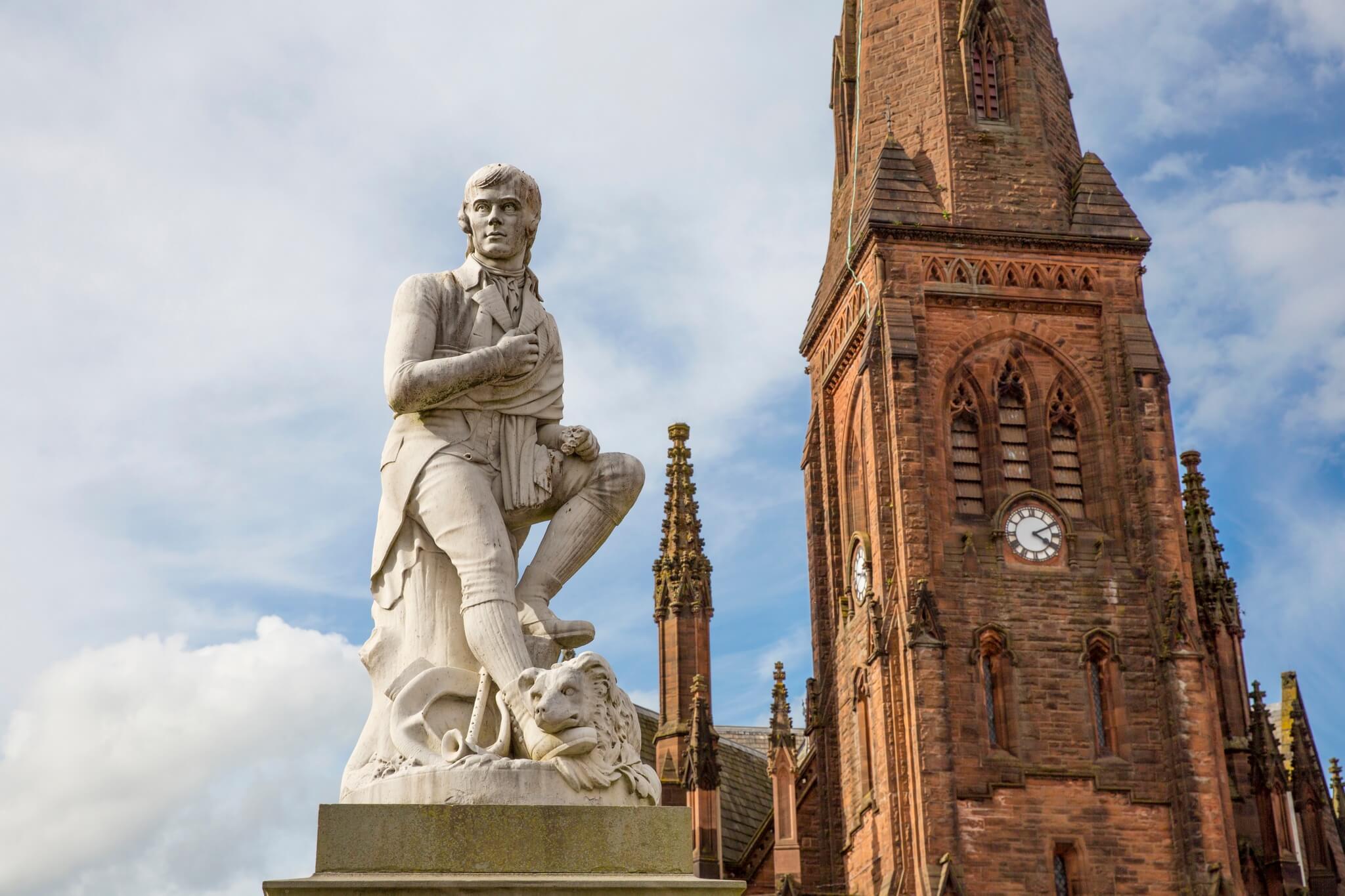
Around the world tributes to the life and works of Robert Burns are held, through the ritual of the Burns Supper. Originally started a few years after his death by a group of his friends and acquaintances, in to honour his memory, the suppers are now celebrated annually on the date of his birth, 25th January.
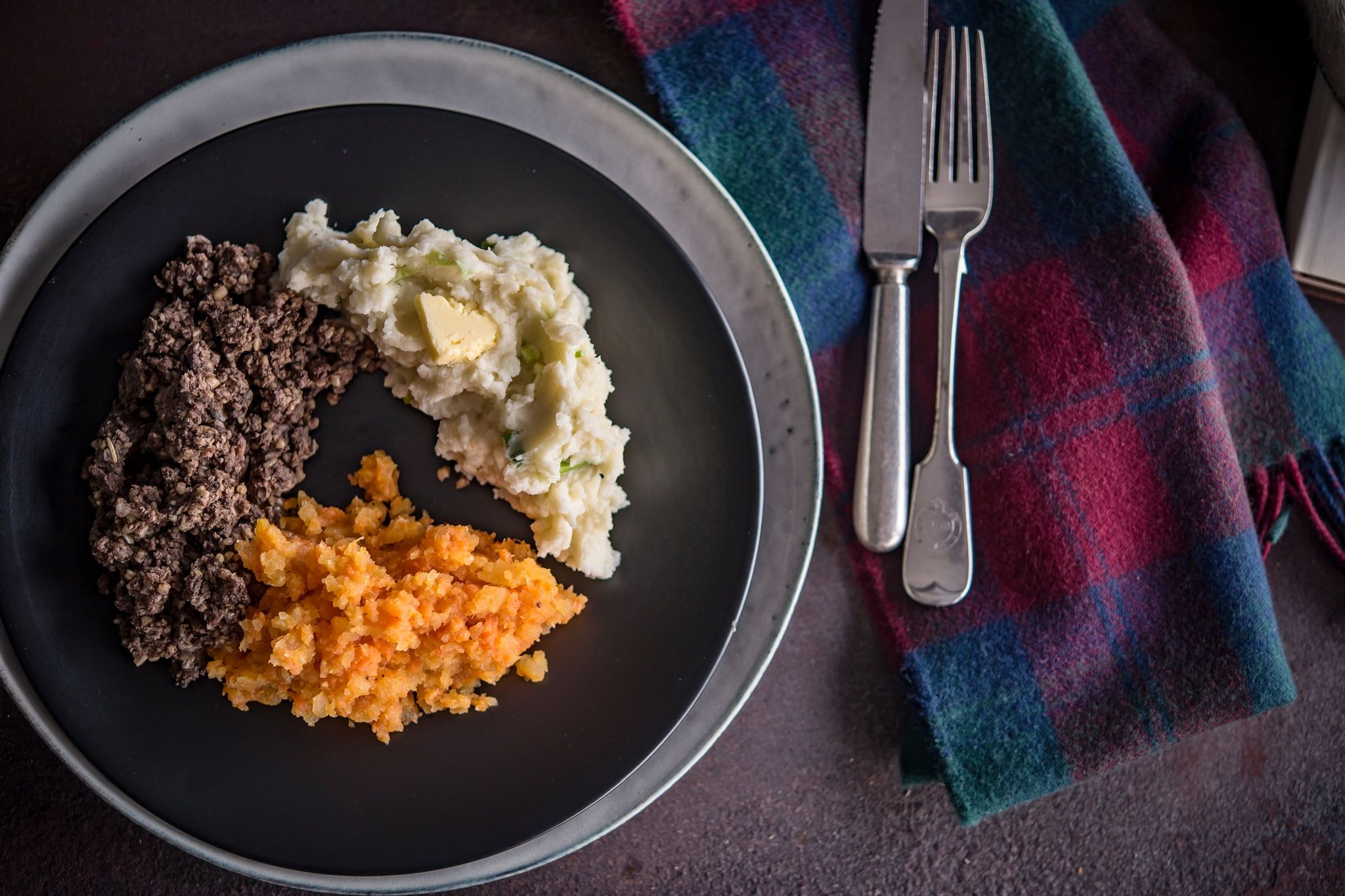
No Burns Supper would be complete without The Haggis, The Drink (normally Whisky), The Songs, The Recitals, The Dance and of course the most important ingredient of all The Fun. If Burns were alive today he too would surely have enjoyed the celebrations! To find out the perfect ingredients needed to hold your very own Burns Supper click here
EatScotland your official guide to eating and drinking throughout Scotland provides full details and further useful information on Burns Suppers and other traditional Scottish fare.
What to expect from a Burns Supper
There are guidelines and observances to be followed and traditionally, guests at the Supper are involved in these observances helping to make it a great event. Detail of the traditional format of a Burns Supper are listed below.
Piping in the Top Table
The top table guests are piped in (if it's a formal gathering) and the
assembled gathering welcomes them by clapping along to the music. If it's a
smaller event and there is no piper, then traditional music soundtrack is
normally played. When ready to be seated, the piper stops playing and the
guests give a round of applause.
Chairman's Welcome
The Chairman's role as 'Master of Ceremonies' is very important to direct
proceedings throughout the evening. The Chairman welcomes everyone and
introduces the top table, speakers and entertainers and may run through the
sequence of events for the evening. Then it is customary to say the
'Selkirk Grace' before the starter is served:
"Some hae meat and canna eat,
And some would eat that want it,
But we hae meat, and we can eat,
Sae let the Lord be thankit."
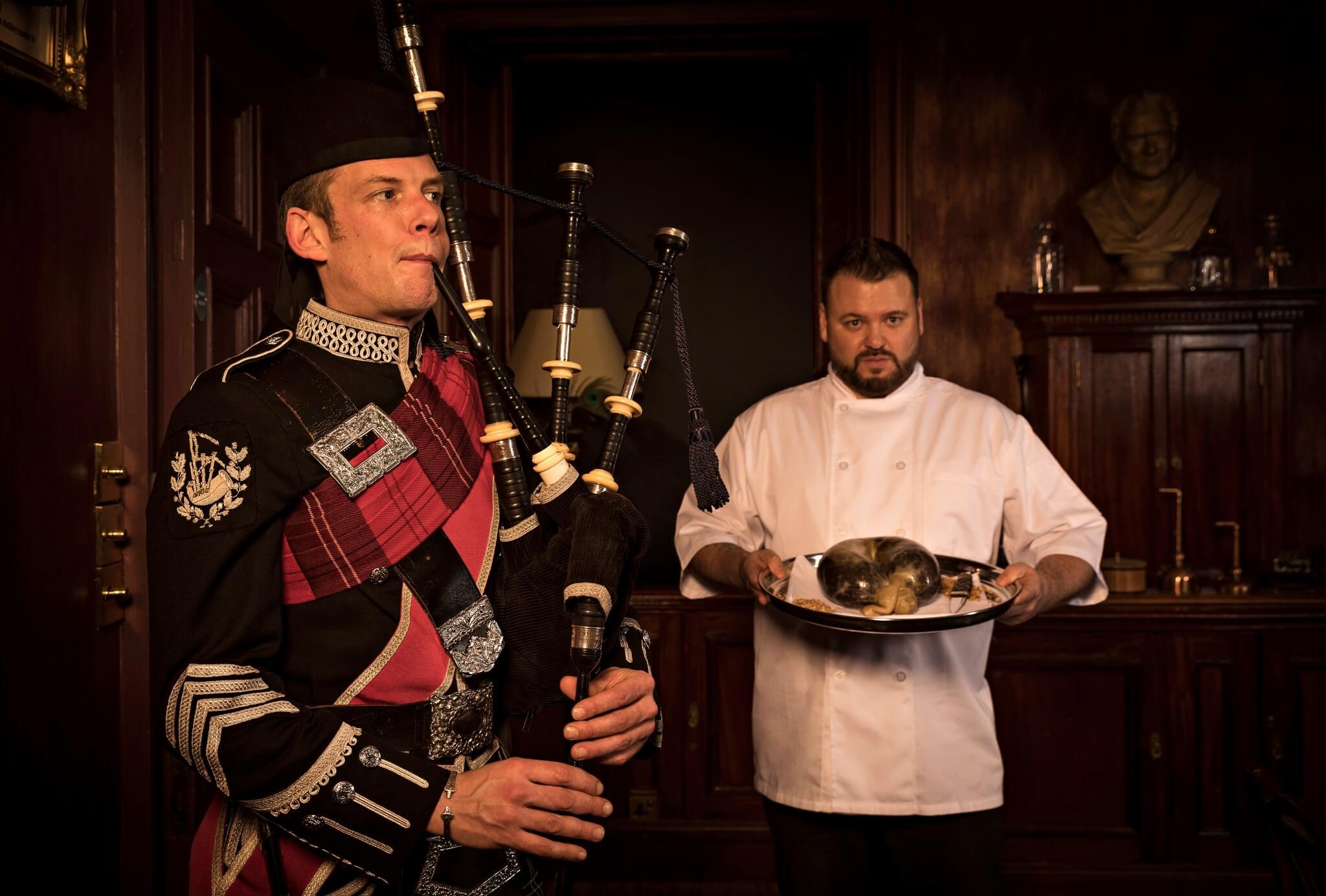
Piping in the Haggis
The Chairman asks the guests to be upstanding to receive the star
attraction the haggis. This is delivered to the table with pomp and
ceremony, presented on a silver platter, carried on high by the chef. The
small procession, including the person who will address the haggis as well
as perhaps a whisky bearer, is led in by the piper, playing 'Brose &
Butter' or some other rousing tune.
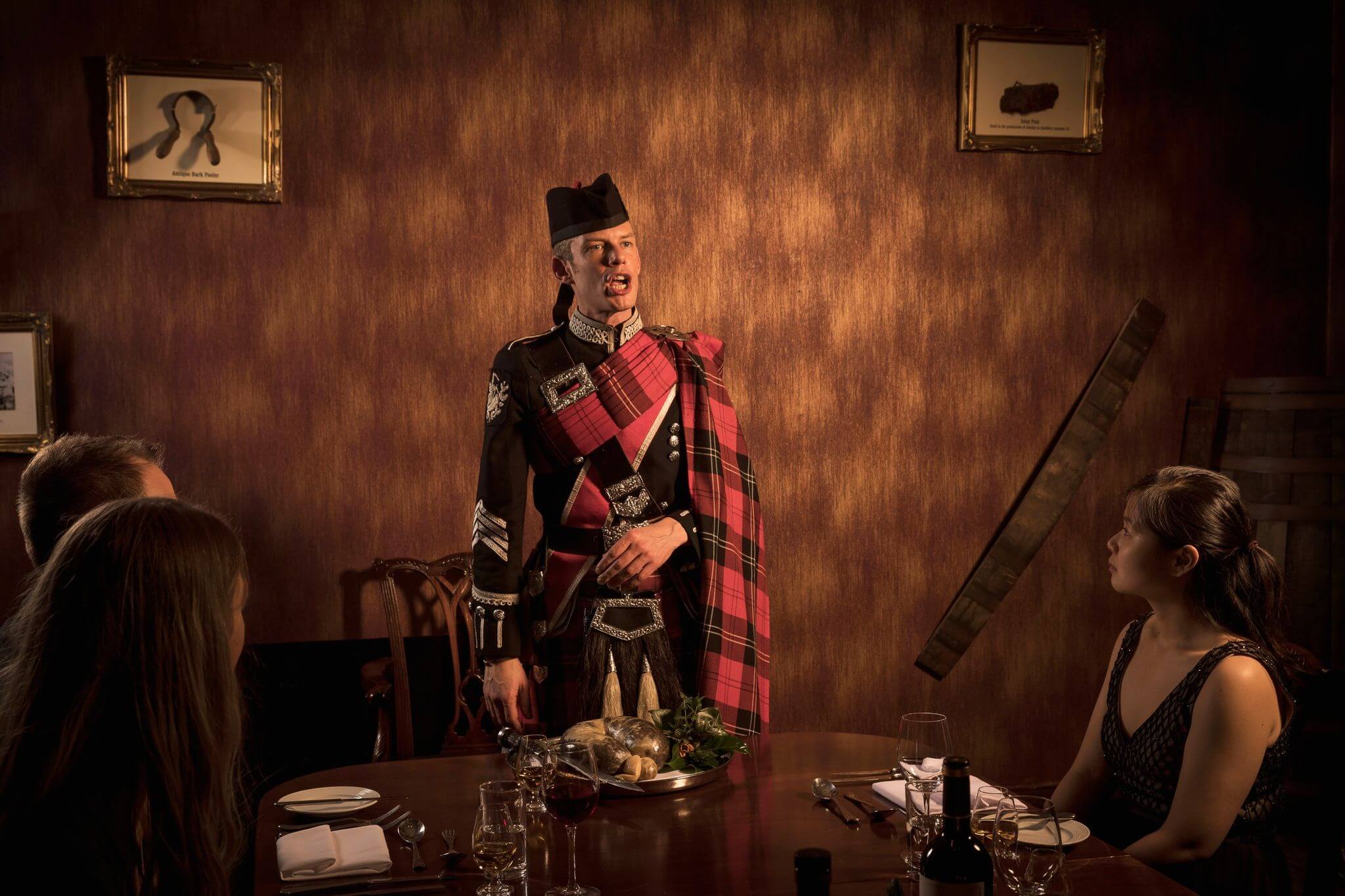
The Address to the Haggis
The appointed speaker then gives a resounding and dramatic rendition of
Burns' 'To a Haggis' With dirk or knife at the ready, he first apologises
for 'killing' the haggis, then during the line 'An' cut you up wi' ready
slight' meaning 'and cut you up with skill', the speaker savagely stabs his
knife into the haggis and slices along its length, trenching its gushing
entrails (digging its innards) with a great flourish. The recital ends with
the speaker raising the platter above his head, showing the audience the
steaming dish and uttering the triumphant words: 'Gie her a Haggis!' to
rapturous applause.
For the full lyrics please click here
Toast to the Haggis
The speaker then asks the guests to share in a toast to the haggis.
Everyone stands and raises their glass to 'The Haggis', shouting out the
words loudly and with gusto. The piper again begins to play, leading the
haggis back out of the dining room in preparation for the dinner. Again the
audience claps in time to the music as the procession departs.
Interval
After the meal, there is a brief comfort break while the table is cleared.
First Entertainer
The Chairman introduces the first entertainer who could be a singer or
musician performing one of Burns' songs such as 'My Luve is like a Red, Red
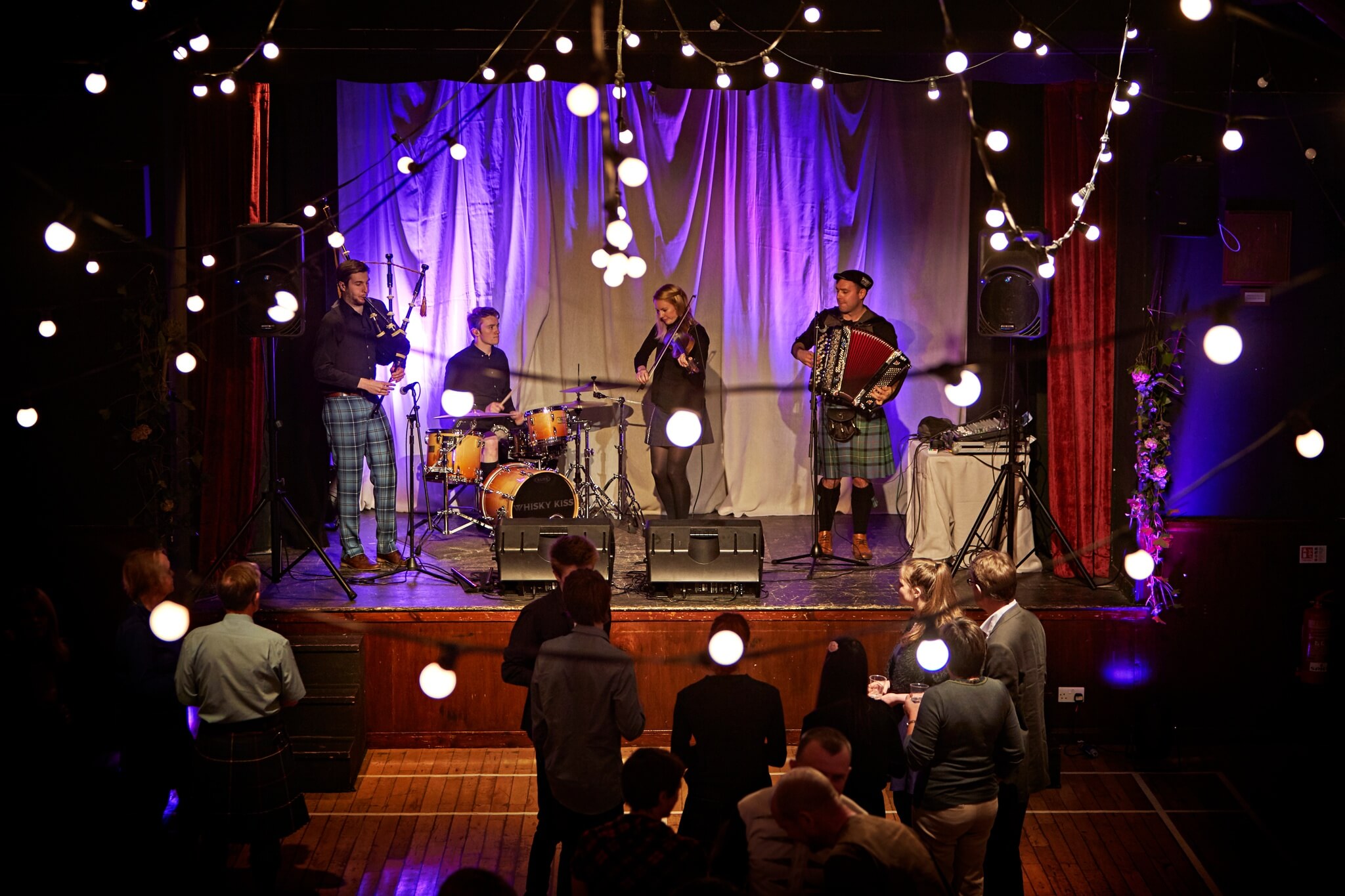
Rose', 'Ae Fond Kiss', 'Rantin, Rovin Robin' or 'John Anderson, My Jo'.
Popular recitals include 'Tam O Shanter', 'To A Louse', 'Address to the
Unco Guid', 'Holy Willie's Prayer' or 'A Man's A Man For A' That'.
The Immortal Memory
The main speaker is introduced and gives a spell-binding account of the
life of Burns. His literary prowess, his politics, his Nationalistic pride
in Scotland, his humanity, his faults and his humour should all be
explored, giving the audience an insight into the life and works of the
Bard in a witty, yet serious way. The speaker concludes with an invitation
to join in a heart-felt toast: 'To the Immortal Memory of Robert Burns'.
Second Entertainer
More celebration of Burns' work or anything that honours the immortal
memory and spirit of the Bard.
Toast to the Lassies
This humorous speech, gently ridiculing the (few) shortcomings of women
should raise smiles from both sides of the mixed company, so anything too
chauvinistic and cutting should be kept in check! Despite the
tongue-in-cheek ribbing, the speech ends on a complimentary note, with the
speaker asking the men to be upstanding to raise their glasses in a toast
'To the Lassies'
Third Entertainer
More song, dance, fiddling, recitals.
Reply to the Toast to the Lassies
This is the chance for the women to retort with cunning, wit and a few
good-natured jibes of their own. The speech often begins with a sarcastic
thanks on behalf of the women present for the previous speaker's 'kind'
words and then gives a lively response highlighting the foibles of the male
race, using reference to Burns and the women in his life. Again, this
finishes on a positive note.
Final Entertainer
A final entertainer bravely faces the by now more than likely more than
merry audience.
Vote of Thanks
As the festivities draw to a close, a vote of thanks is made to everyone
who has made the evening such a success, from the chairman and chef to the
entertainers and guests.
Auld Lang Syne
The traditional end to a Burns Supper' or indeed, any gathering among the
company of friends' is the singing of this famous Burns' song about
parting. The company join hands, often in a large circle, and belt out the
words together. At the line: 'And here's a hand', you cross each of your
hands over to rejoin those standing on either side of you.